
BLOG

on

The thought of starting this type of a business seems very noble and could equally prove to be very lucrative especially for anyone who has a passion for tea. Here we discuss the basic recommendations to follow, if you want to start your tea business and achieve success. How To Start A Tea Business

Step 1: Promote the sales of the product or service through market promotion.
Identify Your Niche:

The first step in the process is that one must consider the type of tea business he or she wishes to begin. It could be a tea shop where it is selling a variety of tea products to customers, an online tea store selling different types of teas to clients, a tea bar where it is selling tea to tea drinkers or it may be a tea subscription service for people.
Determine field and sub-field, course/degree, branch/discipline, and target client segment/markets and your unique selling proposition (USP). Would you customize your teas on the type of organics, rare blends, herbal and health-related products, or otherwise?
Understand the Competition:

Conduct feasibility studies of established tea businesses with a view on potential lacuna.
Assess them in terms of their advantages and shortcomings for the discoveries of opportunities that your brand can fit into.
Target Audience:

Define your target market. Is it a well-organized health drink for the health-conscious people, or a tea gourmet for tea drinkers, or just tea for normal tea lovers?
Set customer profiles which encompasses their buying cycle, buying habits, and age.
Step 2: This will be followed by the Business Concept where a complete business plan has to be produced, including business model, value proposition and market development strategy, amongst others.
Executive Summary:

Give a general description of your company and describe your main goal and objectives stated in the mission and vision statements.
Market Analysis:

Provide a description of your targets and their dynamics, the state and further trends of the industry where you are going to operate.
Products and Services:

Explain the flavors of teas you plan to have in your tea house also include the other products/ services that you intend to provide such as tea accessories, tea tasting among others.
Marketing and Sales Strategy:

Explain what branding, marketing, and sales initiatives or plans the company has in place. Also, organizing strategies and goals like social media marketing, search engine optimization, and other marketing promotions.

How To Start A Tea Business

Financial Projections:

Determine how much money you will need to start the business, how much will it take to run it, and how much money do you expect to make in the span of one year. This should be rolled with a break-even analysis and the amounts that you expect to make when conducting the trade.
Operational Plan:

Elaborate the everyday functional activities of the business organization such as materials acquisition, stock management, and people management.
Step 3: They are Source Your Tea.
Find Reputable Suppliers:

Find out more about the tea growers and suppliers , the various teas they produce and how they can be accessed. You might want to think about visiting tea plantations to guarantee the quality and origins of the beverage you are purchasing.
On the other hand, get in touch with genuine wholesalers that can supply a sizeable range of good quality teas.
Quality Assurance:

Daily or weekly take samples of some of the supplies from various suppliers to ensure that their quality is constant.
Check your tea for compliance to set standards and certifications (e. g. , organic, fair trade).
Step 4: When creating your brand, it is important to build on an understanding and definition of the concept and then follow through with the details.
Brand Name and Logo:

Find a good name for your tea business that will not only be easily remembered but also connected with tea and its effects.
Create a company logo that envelopes your brand and is accepted by your intended market#region 4
Brand Story:

Storey this in a good and convincing dramatic way that would captivate any client focusing on the uniqueness of the tea that you have and why you chose to be in the tea business.
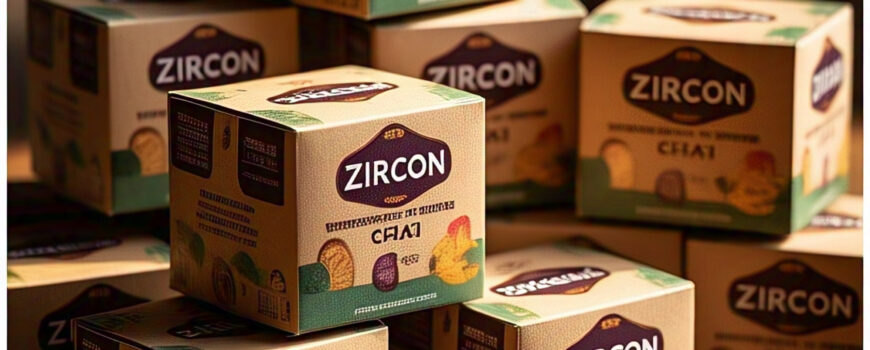
Packaging Design:

Select quality carousels that have appealing looks and help sustain the quality of teas at the point of sale. Decide on environmental-friendly material to attract consumers with environmental sensitive shopping personality.
Make sure your pack contains the following details; ingredients, brewing, brewing, and usage instructions, and certifications.

Step 5: Set Up Your Online Presence

Website Development:

  • Create a user-friendly, visually appealing website with an integrated e-commerce platform.
  • Ensure your website is mobile-friendly and optimized for search engines (SEO).

Content Marketing:

  • Start a blog to share tea-related content, such as brewing tips, health benefits, and industry news. This can drive organic traffic to your site.
  • Use email marketing to keep customers informed about new products, promotions, and events.

Social Media Marketing:

  • Engage with your audience on platforms like Instagram, Facebook, and Pinterest. Share visually appealing content, run contests, and interact with followers.
  • Use targeted ads to reach potential customers and drive traffic to your website.

Step 6: Launch and Promote Your Tea Business

Soft Launch:

  • Conduct a soft launch to gather feedback and make any necessary adjustments before your official launch. This could involve selling to a small group of friends, family, or select customers.

Grand Opening:

  • Plan a grand opening event to attract attention and generate buzz. This could be an in-person event if you have a physical location or a virtual event for an online store.
  • Offer special promotions, discounts, or giveaways to entice first-time customers.

Public Relations:

  • Send press releases to local media and tea industry publications to announce your launch.
  • Reach out to bloggers and influencers to review your products and share them with their audience.

Step 7: Manage Operations and Grow Your Business

Inventory Management:

  • Set up a reliable system to manage your inventory and ensure you always have enough stock to meet demand.

Customer Service:

  • Provide excellent customer service to build a loyal customer base. Respond promptly to inquiries, handle complaints professionally, and go the extra mile to exceed customer expectations.

Continuous Improvement:

  • Regularly seek feedback from customers to improve your products and services.
  • Stay updated on industry trends and be willing to adapt and innovate to keep your business competitive.

Expand Your Product Line:

  • As your business grows, consider expanding your product line to include new tea varieties, blends, and accessories.
  • Introduce seasonal or limited-edition teas to keep customers excited and coming back for more.

Conclusion

Starting a tea business requires careful planning, dedication, and a passion for tea. By following these steps, you can build a strong foundation for your business and create a brand that stands out in the competitive tea market. With the right strategies and a commitment to quality, your tea business can thrive and bring the joy of tea to customers around the world. How To Start A Tea Business

Zircon Tea Company

Email: info@zirconshop.in

WhatsApp & Calling No is +91-9499347308

Our You tube Channel is Zircon Tea Company

on

1. Introduction

The tea business is a thriving industry with a rich history and a bright future. From traditional tea rooms to modern tea bars, and from small-scale online stores to large tea plantations, the opportunities are vast. This guide provides a detailed roadmap to help you navigate the process of starting and growing a successful tea business. Full Detailed Information About Tea Business

2. Market Research

Identify Your Niche:

  • Type of Tea Business: Decide whether you want to open a tea shop, an online tea store, a tea bar, or a subscription service.
  • Specialization: Focus on a specific niche like organic teas, herbal blends, wellness teas, rare and exotic teas, or traditional teas.

Understand the Competition:

  • Conduct a competitive analysis to understand what other tea businesses are offering.
  • Identify gaps in the market that you can fill with your unique products.

Target Audience:

  • Define your target audience based on demographics, preferences, and purchasing behavior.
  • Develop buyer personas to tailor your marketing strategies effectively.

3. Business Planning

Business Plan:

  • Executive Summary: Summarize your business idea, vision, and mission.
  • Market Analysis: Present your market research findings, including industry trends and target market insights.
  • Products and Services: Detail the types of tea and related products you will offer.
  • Marketing and Sales Strategy: Outline your strategies for branding, marketing, and sales.
  • Financial Projections: Provide estimates for startup costs, operating expenses, revenue, and profits.
  • Operational Plan: Describe your daily operations, including sourcing, inventory management, and staffing.

4. Sourcing Your Tea

Finding Suppliers:

  • Establish relationships with reputable tea growers and suppliers.
  • Consider visiting tea plantations to ensure the quality and ethical sourcing of your tea.
  • Alternatively, work with wholesalers who offer a variety of high-quality teas.

Full Detailed Information About Tea Business

Quality Assurance:

  • Regularly test samples from different suppliers to maintain consistency in quality and flavor.
  • Ensure your teas meet necessary certifications such as organic, fair trade, or other relevant standards.

5. Branding and Packaging

Brand Identity:

  • Name and Logo: Choose a memorable and meaningful name and design a logo that reflects your brand’s identity.
  • Brand Story: Craft a compelling narrative about your brand, highlighting your journey, values, and what makes your tea unique. Full Detailed Information About Tea Business

Packaging Design:

  • Invest in attractive and functional packaging that preserves the freshness of your tea.
  • Consider eco-friendly packaging options to appeal to environmentally conscious consumers.
  • Ensure your packaging includes essential information like ingredients, brewing instructions, and certifications.

6. Setting Up Your Online Presence

Website Development:

  • Create a user-friendly, visually appealing website with an integrated e-commerce platform.
  • Ensure your website is mobile-friendly and optimized for search engines (SEO).

Content Marketing:

  • Start a blog to share tea-related content such as brewing tips, health benefits, and industry news. This can drive organic traffic to your site.
  • Use email marketing to keep customers informed about new products, promotions, and events.

Social Media Marketing:

  • Engage with your audience on platforms like Instagram, Facebook, and Pinterest. Share visually appealing content, run contests, and interact with followers.
  • Use targeted ads to reach potential customers and drive traffic to your website.

7. Launching Your Business

Soft Launch:

  • Conduct a soft launch to gather feedback and make any necessary adjustments before your official launch. This could involve selling to a small group of friends, family, or select customers.

Grand Opening:

  • Plan a grand opening event to attract attention and generate buzz. This could be an in-person event if you have a physical location or a virtual event for an online store.
  • Offer special promotions, discounts, or giveaways to entice first-time customers.

Public Relations:

  • Send press releases to local media and tea industry publications to announce your launch.
  • Reach out to bloggers and influencers to review your products and share them with their audience.

8. Managing Operations

Inventory Management:

  • Set up a reliable system to manage your inventory and ensure you always have enough stock to meet demand.

Customer Service:

  • Provide excellent customer service to build a loyal customer base. Respond promptly to inquiries, handle complaints professionally, and go the extra mile to exceed customer expectations.

Continuous Improvement:

  • Regularly seek feedback from customers to improve your products and services.
  • Stay updated on industry trends and be willing to adapt and innovate to keep your business competitive. Full Detailed Information About Tea Business

9. Expanding Your Product Line

New Tea Varieties:

  • Continuously experiment with new flavors and blends to keep your product line fresh and exciting.
  • Introduce seasonal or limited-edition teas to attract repeat customers.

Tea Accessories:

  • Expand your inventory to include teapots, infusers, cups, and other accessories that enhance the tea-drinking experience.

Health and Wellness Teas:

  • Capitalize on the growing demand for health and wellness products by offering teas that promote relaxation, detoxification, and other health benefits.

10. Marketing and Sales Strategies

Sampling and Promotions:

  • Offer free samples or introductory discounts to attract new customers.
  • Participate in local farmers’ markets, food festivals, or tea expos to get your products in front of potential buyers.

Subscription Boxes:

  • Launch a subscription service offering monthly tea selections. This can provide a steady revenue stream and keep customers engaged with your brand.

Customer Loyalty Programs:

  • Implement a loyalty program to reward repeat customers. Offer points for purchases that can be redeemed for discounts, free products, or exclusive access to new teas.

11. Financial Management

Accounting:

  • Set up a robust accounting system to manage finances and track expenses.
  • Use accounting software to simplify bookkeeping and financial reporting.

Funding Options:

  • Explore funding options such as small business loans, grants, or investors if needed.
  • Consider crowdfunding platforms to raise funds and generate early customer interest.

12. Legal Considerations

Business Registration:

  • Register your business and obtain necessary licenses and permits.
  • Choose a business structure that suits your needs (e.g., sole proprietorship, partnership, LLC, corporation).

Trademarks and Intellectual Property:

  • Trademark your brand name and logo to protect your intellectual property.
  • Ensure your tea blends and packaging designs are not infringing on existing trademarks.

13. Sustainability and Ethical Practices

Eco-Friendly Practices:

  • Use sustainable farming practices and eco-friendly packaging to reduce your environmental impact.
  • Consider becoming certified organic or fair trade to appeal to conscious consumers.

Community Engagement:

  • Engage with your local community by supporting local events, charities, and initiatives.
  • Build strong relationships with your suppliers and ensure fair labor practices.

14. Conclusion

Starting a tea business requires a blend of passion, planning, and perseverance. By conducting thorough market research, developing a solid business plan, sourcing high-quality tea, and building a strong brand, you can create a successful and sustainable tea business. Stay committed to quality and customer satisfaction, and your brand will thrive in the competitive tea market. How to Start a Tea Business. Full Detailed Information About Tea Business

Zircon Tea Company

Email: info@zirconshop.in

Contact No is +91-9499347308

Our You Tube Channel Is Zircon Tea Company

on

First flush tea, often referred to as the “Champagne of Teas,” is highly prized by tea enthusiasts for its delicate flavor, vibrant color, and fragrant aroma. This tea is made from the first harvest of the season, typically occurring between late February and early April. Here’s an in-depth guide to understanding, selecting, brewing, and enjoying 1st flush tea.

What is 1st Flush Tea?

Harvest Time:

  • First Flush: The term “first flush” refers to the first plucking of new tea leaves and buds from the tea plants after the winter dormancy. This usually happens in early spring.

Characteristics:

  • Flavor: First flush teas are known for their fresh, brisk, and floral flavor profile. They often have a light and delicate taste with subtle astringency.
  • Color: The liquor of first flush tea is usually a light golden or pale green.
  • Aroma: These teas often possess a fragrant, floral, and sometimes slightly grassy aroma.

Regions:

  • The most renowned first flush teas come from the Darjeeling region in India, but they can also be found in other tea-growing regions like Assam, Nilgiri, and certain parts of China and Japan.

Selecting 1st Flush Tea

Look for Quality Indicators:

  • Appearance: High-quality first flush tea leaves are typically whole and may appear slightly greener than other teas due to the fresh leaves and buds.
  • Smell: The tea should have a fresh, floral, or grassy scent. Avoid teas that smell stale or musty.
  • Source: Purchase from reputable tea estates or vendors who provide detailed information about the origin and harvesting time.

Types of First Flush Teas:

  • Darjeeling First Flush: Known for its light, floral, and slightly astringent taste.
  • Assam First Flush: Generally more robust than Darjeeling, with malty and floral notes.
  • Nilgiri First Flush: Offers a balanced flavor with floral and fruity undertones.

Brewing 1st Flush Tea

Water Quality:

  • Use fresh, filtered water to avoid any off-flavors that could affect the delicate taste of the tea.

Temperature:

  • Heat the water to about 175-185°F (80-85°C). Avoid boiling water as it can scorch the delicate leaves.

Steeping Time:

  • Loose Leaf Tea: Use 1 teaspoon of tea leaves per cup (about 8 ounces of water). Steep for 2-3 minutes.
  • Adjusting: If you prefer a stronger brew, you can increase the steeping time slightly, but be careful not to oversteep, as this can make the tea bitter.

Brewing Steps:

  1. Warm the Teapot: Rinse your teapot with hot water to warm it up.
  2. Measure the Tea: Place the tea leaves in the teapot or an infuser.
  3. Pour the Water: Add the hot water to the teapot.
  4. Steep: Allow the tea to steep for the recommended time.
  5. Serve: Pour the tea into cups through a strainer if needed. Enjoy it plain to appreciate its nuanced flavors.

Enjoying 1st Flush Tea

Tasting Notes:

  • Observe: Look at the color of the tea in your cup. It should be a light golden or pale green.
  • Smell: Take a moment to inhale the aroma. Notice the fresh, floral, or grassy scents.
  • Taste: Take small sips to appreciate the flavor. Notice the brisk, slightly astringent taste and any floral or fruity notes.

Pairing:

  • Food: First flush teas pair well with light foods such as salads, fruits, mild cheeses, and light pastries. Avoid overpowering flavors that can mask the delicate taste of the tea.
  • Occasions: Enjoy first flush tea as a refreshing morning beverage or as an afternoon pick-me-up. It’s perfect for special occasions or quiet moments of relaxation.

Storage:

  • Keep Fresh: Store first flush tea in an airtight container away from light, heat, and moisture. This preserves its freshness and delicate flavors.
  • Shelf Life: While tea can last a long time, first flush teas are best enjoyed within a year of harvest to experience their peak flavor.

Conclusion

First flush tea is a true delight for tea connoisseurs and casual drinkers alike. Its unique flavor, vibrant color, and fragrant aroma make it a special treat. By carefully selecting, brewing, and savoring first flush tea, you can fully appreciate the craftsmanship and natural beauty that goes into every cup. Whether you are a seasoned tea enthusiast or new to the world of fine teas, first flush tea offers an exquisite experience that celebrates the arrival of spring and the art of tea making.

Zircon Tea Company

Contact No is +91-9499347308

Email is info@zirconshop.in

Our You Tube Channel is Zircon Tea Company

on

Tea gardens on hills most of which are located in areas where mists can greatly enhance the beauty may not be wrong whether for value or aesthetic reasons as these areas are home to some of the best teas in the world. It is here that tea is cultivated on mountain terrains, and the blend is considered to be unique and qualitatively better. For details and guides on understanding, appreciating, and visiting hilltop tea gardens, here is the best content to read. Tea Gardens on Hills

When aiming to spend a weekend in Bursa where should one go: the charm of hill top tea gardens?
Ideal Growing Conditions:

Altitude: There is also sufficient rainfall in this area since tea grows perfectly under temperate climate, and the higher ground means cooler temperatures which are ideal for the slow growth of tea plants, which is good for the quality of the tea leaves.
Climate: Besides being grown on the slopes the climate of tea gardens within the region is favorable as well, especially the cool and misty morning and warm afternoon that is ideal of tea planting.
Soil: Such factors as proper soil and altitude of the tea gardens, gives the tea plant very conducive environment it thrives in, and produces the deliciously complex brew as witnessed in Darjeeling.
Famous Hilltop Tea Regions:

Darjeeling, India: With its reputation as the ‘Champagne of Teas,’ Darjeeling boasts some of the finest first flush teas which feature a light floral profile.
Assam, India: Similar to the Darjeeling area, highland of Assam also has unique and rich taste of cup of teas but it is more famous for its plain origin teas.
Nilgiris, India: The Nilgiri slopes called the Blue Mountains, the tea here has a very floral fruity characteristic about it.
Sri Lanka (Ceylon): Sumatra – Orbit – central highlands of Sri Lanka are characterised by bright, bracing teas, each with its unique personality.
China: Such areas as Fujian and Yunnan States are hilly and areas and house some of the finest teas in the world such as oolongs and pu-erhs.
Management Practices for Flashy Plantations in the Tea Estates of Hills
Planting and Growing:

Terracing: The slopes of hills and other land forms are normally leveled by creating benches as they are useful in regulating water drainage and controlling soil erosion.
Shade Management: Some growing regions practice the use of tea bushes being grown under some canopy covers in a bid to imitate their natural feature, thus ensuring better quality of leaves are produced.
Organic Practices: A significant number of the hill roast tea plantations have adopted the use of organic farming methods in that they do not use synthetic products to disrupt the ecosystem and the teas produced are healthier.
Harvesting:

Plucking: Deciduous poultry plucking season depends on locality and altitude. Selective and qualified personnel pick the tender leaves and buds to make sure they use the quality product in making the tea.
Seasons: Various flushes or different pluckings of the tea produce such varieties of beverages with different qualities. The first harvest which commonly takes place at the end of the winter and beginning of spring is considered the best since its flavors are not tainted by the bitterness associated with maturity.
Visiting Hilltop Tea Gardens
Planning Your Visit:

Best Time to Visit: The best time to visit hilltop tea gardens is plucking seasons when the garden is green enough and different stages of processing of the tea leaves is visible.
Tours and Experiences: Most tea estates for instance have Tourism and Tea Making facilities where the public is taken round the tea farms, _the tea plucking process and processing. Some estates also provide or organize tea tasting.
Some estates may also provide tea tasting.
Accommodation: Tea gardens must have some types of house like heritage bungalows or guest houses to accommodate visitors and allow them enjoy the scenic view of the area.
Activities:

Tea Tasting: Join tasting sessions where you are able to see the distinction in the various blends of tea based on the flavor, aroma and color.
Walks and Hikes: Visit the beautiful viewing points of Shamdzuri tea gardens and its nearby areas. The latest tours are often accompanied by locals with knowledge of the place’s plant and animal life.
Cultural Immersion: Interact with the people in the area to familiarize themselves with the citizens and their customs associated with tea farming.
Hilltop gardens have a great impact on the lives of people and the society as outlined as follows:
Economic Significance:

Employment: Plantation industries … tea gardens are also major source of employment in the hill districts giving jobs to thousands of women employees.
Tourism: This, therefore, encouraged tourism, both in eco-tourism and cultural tourism through the gazing of tea garden rolling across the hills.
Environmental Benefits:

Biodiversity: In general, the areas occupied by tea gardens capable of supporting many more plant and animal species from the immediate neighborhood.
Sustainable Practices: Factories that are situated on hills are David Lauries ahead in implementing sustainable and environmental friendly farming.
Challenges:

Climate Change: The growing conditions include changes in weather patterns or in unpredictable rainfall and from whom this may deleteriously impact yields and quality of production.
Labor Issues: The most crucial factor that persists as formidable challenge in many regions is establishment of transportation costs for compensation and standard working conditions for tea garden employees.
Conclusion
Zonal gardens on hills are not only plantations where tea is produced, but very active and living bio-regions and socio-cultural artistic entities. It is for the availability of altitude, climate and traditional farming methods that the hilltop teas get their different and highly regarded flavors. A tour to these tea gardens could be a unique window into the production process of tea, and enables one to comprehend the complexity of turning tiny leaves into the universal beverage. For a true tea lover or a wanderer, the tea gardens on the hills offer both the beauty and stimulation needed for a comfortable and meaningful break in nature and history.

Zircon Tea Company

Contact No is +91-9499347308

Email: info@zirconshop.in

Our You Tube Channel is Zircon Tea Company