
Category: Uncategorized

on

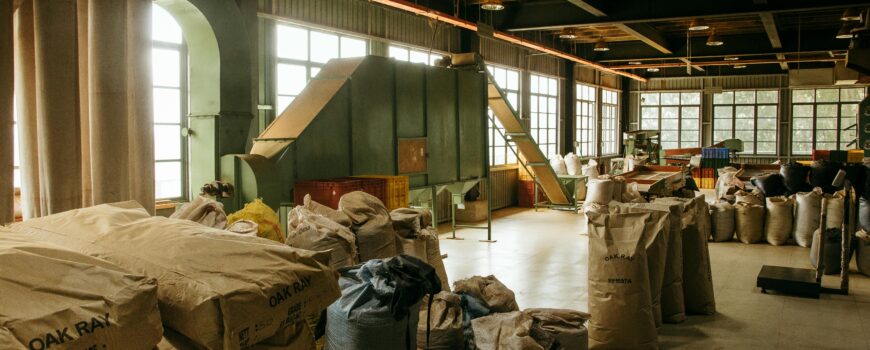
Visiting a tea warehouse can be an enlightening experience, offering a glimpse into the intricate processes involved in storing and managing tea products. Here’s what you can expect during your visit to a tea warehouse:

1. Introduction and Safety Briefing

Upon arrival, you’ll likely receive a brief introduction to the warehouse facility, its operations, and the safety protocols in place. This may include instructions on wearing appropriate personal protective equipment (PPE) such as safety vests, hard hats, and closed-toe shoes.

2. Warehouse Layout and Storage Areas

You’ll be guided through the warehouse layout, which typically includes different storage areas based on tea types, packaging sizes, and inventory management systems. Common storage areas may include:

  • Bulk Storage: Large bins or containers for storing bulk quantities of tea leaves.
  • Pallet Racking: Tall shelves for storing packaged tea products on pallets, organized based on stock rotation principles like FIFO (First-In, First-Out).
  • Temperature-Controlled Rooms: Specialized rooms with climate control systems to maintain optimal temperature and humidity for certain tea varieties.
  • Sampling and Quality Control Stations: Areas designated for sampling tea batches and conducting quality control checks.

3. Inventory Management Systems

You’ll learn about the warehouse’s inventory management systems, which may involve advanced technologies such as barcode scanning, RFID (Radio-Frequency Identification) tags, or warehouse management software (WMS). These systems help track tea inventory levels, monitor stock movements, and streamline order fulfillment processes.

Quality Control Procedures

The visit may include insights into the warehouse’s quality control procedures, including:

  • Inspection Processes: How incoming tea shipments are inspected for quality, packaging integrity, and compliance with regulatory standards.
  • Sampling and Testing: Sampling methods used to check tea quality, flavor profiles, moisture levels, and other parameters through laboratory testing.
  • Packaging Integrity Checks: Ensuring that tea packaging, including pouches or containers, is intact and suitable for storage.

5. Environmental Considerations

You might discuss environmental considerations within the warehouse, such as:

  • Climate Control: Methods employed to maintain consistent temperature and humidity levels to preserve tea freshness and prevent spoilage.
  • Pest Control Measures: Strategies for pest prevention and control, including pest monitoring, fumigation protocols, and hygiene practices to deter pests.

6. Health, Safety, and Security

Warehouse staff may brief you on health, safety, and security measures implemented within the facility:

  • Safety Protocols: Training programs for warehouse staff on safe handling practices, equipment operation, and emergency response procedures.
  • Security Systems: Surveillance cameras, access control systems, and perimeter security measures to safeguard tea inventory from theft or unauthorized access.

7. Operational Efficiency and Technology

You’ll gain insights into operational efficiency strategies and technological advancements used in tea warehousing:

  • Warehouse Automation: Use of automation technologies such as conveyor systems, robotic palletizers, or automated storage and retrieval systems (AS/RS) to improve productivity.
  • Inventory Optimization: Techniques for optimizing inventory levels, reducing stockouts, and minimizing excess inventory through demand forecasting and inventory analysis.

8. Sustainability Initiatives

Some warehouses may highlight sustainability initiatives and eco-friendly practices:

  • Recycling Programs: Recycling initiatives for packaging materials, waste reduction strategies, and environmentally responsible disposal practices.
  • Energy-Efficient Practices: Adoption of energy-efficient lighting, HVAC systems, and renewable energy sources to reduce carbon footprint.

9. Q&A Session and Takeaways

The visit may conclude with a Q&A session where you can ask questions, seek clarifications, and discuss key takeaways from the warehouse tour. It’s an opportunity to deepen your understanding of tea warehousing practices, industry trends, and best practices for tea storage and management.

Overall, visiting a tea warehouse provides a firsthand look into the behind-the-scenes operations of tea storage, quality control measures, and logistical processes essential for maintaining tea freshness and quality throughout the supply chain.

Zircon Tea Company

Contact No is +91-9499347308

Email is info@zirconshop.in

Our You Tube Channel Is Zircon Tea Company
on

Manufacturing CTC (Crush, Tear, Curl) tea in a factory involves several steps, from withering the tea leaves to packaging the final product. Here’s a detailed guide on how to manufacture CTC tea in a factory:

1. Harvesting and Withering

  1. Harvesting: Tea leaves are plucked from Camellia sinensis plants during the ideal harvesting period.
  2. Withering: The freshly plucked leaves are spread out on withering troughs or racks to reduce moisture content. This process makes the leaves pliable and prepares them for rolling.

2. Rolling

  1. Pre-Conditioning: Optionally, the withered leaves may undergo a pre-conditioning step to soften them further.
  2. Rolling: The withered leaves are fed into CTC machines (Crush, Tear, Curl) that crush, tear, and curl the leaves into small, uniform particles. This step helps in activating enzymes and enhancing flavor.

3. Fermentation (Optional)

  1. Fermentation: Some CTC teas undergo a brief fermentation process to develop specific flavors and aromas. This step is common for certain black teas.

4. Oxidation and Drying

  1. Oxidation: The rolled and fermented leaves (if applicable) are spread out in a thin layer to undergo controlled oxidation. This step determines the tea’s final flavor profile.
  2. Drying: The oxidized leaves are dried using hot air in drying machines or through traditional methods like sun-drying. This process halts oxidation and reduces moisture content.

Sorting and Grading

  1. Sorting: The dried tea leaves are sorted based on size, color, and quality using vibrating screens and sorting machines.
  2. Grading: The sorted tea particles are graded into different categories based on their particle size, appearance, and quality parameters.

6. Blending (Optional)

  1. Blending: To achieve consistent flavor profiles, teas from different batches or regions may be blended together. Blending also allows manufacturers to create custom blends to meet market demands.

7. Packaging

  1. Packaging: The graded and blended CTC tea is packed into various packaging formats such as tea bags, loose leaf packets, or bulk packaging for commercial distribution.
  2. Labeling: Packaging includes labeling with information such as tea type, grade, origin, brewing instructions, and expiry date.

8. Quality Control

  1. Quality Checks: Throughout the manufacturing process, quality control checks are conducted to ensure adherence to standards for flavor, aroma, appearance, and safety.
  2. Lab Testing: Samples of the final product may undergo lab testing for parameters like moisture content, caffeine levels, chemical residues, and microbial safety.

9. Storage and Distribution

  1. Storage: Packaged CTC tea is stored in a controlled environment with proper ventilation, temperature, and humidity to maintain freshness.
  2. Distribution: The tea is distributed to wholesalers, retailers, or exported to international markets based on market demand and distribution channels.

10. Maintenance and Sanitation

  1. Equipment Maintenance: Regular maintenance of CTC machines, drying equipment, and packaging machinery is crucial to ensure optimal performance and product quality.
  2. Sanitation: The factory premises, equipment, and storage areas must be kept clean and sanitized to prevent contamination and ensure food safety standards.

By following these steps and maintaining strict quality control measures, a factory can produce high-quality CTC tea that meets consumer expectations for flavor, aroma, and consistency. Continuous monitoring, feedback mechanisms, and process improvements are essential for the success of CTC tea manufacturing operations.

Zircon Tea Company

Contact No is +91-9499347308

Email is info@zirconshop.in

Our You Tube Channel Is Zircon Tea Company

on

Tea auctions are a crucial part of the tea industry, serving as platforms where tea producers, buyers, and traders come together to buy and sell tea in bulk quantities. Here’s an overview of how tea auctions typically work:

Pre-Auction Preparation

  1. Quality Assessment: Tea producers prepare samples of their teas for evaluation by auctioneers and potential buyers. Samples are graded based on factors like leaf appearance, aroma, color, and flavor profile.
  2. Cataloging: Auctioneers catalog the teas based on their grades, origins, and other relevant information. This information is made available to buyers before the auction.

Conducting the Auction

  1. Auction Venue: Tea auctions are often held in specialized auction houses or designated auction centers.
  2. Auctioneer’s Role: An experienced auctioneer conducts the auction, guiding the bidding process and ensuring fair and transparent transactions.
  3. Bidding Process:
    • Opening Bids: The auctioneer starts with opening bids for each lot of tea based on the cataloged information.
    • Competitive Bidding: Buyers place competitive bids, raising the prices for desirable lots.
    • Incremental Bidding: Bids typically increase in fixed increments until a final bid is accepted.
  4. Bidder Identification: Bidders are usually identified by unique codes or numbers to maintain anonymity during the bidding process.

Post-Auction Procedures

  1. Successful Bids: Buyers who win the bids are notified, and payment and delivery terms are finalized.
  2. Payment and Invoicing: Buyers make payments for the tea they have purchased, and auctioneers issue invoices detailing the transaction details.
  3. Tea Delivery: Tea producers arrange for the delivery of the sold tea to the buyers’ designated locations, often facilitated by logistics partners.

Key Participants in Tea Auctions

  1. Tea Producers: These are the growers or manufacturers who offer their teas for auction.
  2. Buyers and Traders: Buyers include tea retailers, wholesalers, exporters, and traders who purchase tea in bulk quantities for further distribution or processing.
  3. Auctioneers: Experienced professionals who conduct the auctions, manage bidding processes, and ensure fair practices.

Benefits of Tea Auctions

  1. Price Discovery: Auctions help determine fair market prices for various grades and types of tea based on supply and demand dynamics.
  2. Market Access: Auctions provide a centralized platform for tea producers to showcase their teas to a wide range of potential buyers.
  3. Quality Assurance: Buyers can assess tea samples before purchase, ensuring quality standards are met.
  4. Efficient Transactions: Auctions facilitate quick and efficient transactions, streamlining the buying and selling process.

Conclusion

Tea auctions play a vital role in the tea industry by facilitating transparent and efficient trading of tea products. They contribute to price discovery, market access, quality assurance, and overall market efficiency, benefiting both tea producers and buyers in the global tea market.

Zircon Tea Company

Contact No is +91-9499347308

Email is info@zirconshop.in

Our You Tube Channel Is Zircon Tea Company

on

Creating tea pouches with your own brand involves several steps to ensure quality, branding, and regulatory compliance. Here’s a guide on how to create tea pouches with your brand:

1. Define Your Branding and Packaging Strategy

  1. Brand Identity: Define your brand’s identity, including logo, color scheme, typography, and overall design aesthetic.
  2. Packaging Format: Decide on the type of tea pouches you want (e.g., stand-up pouches, flat pouches, pyramid tea bags) based on your target market and product requirements.
  3. Packaging Size: Determine the ideal size of the tea pouches based on the quantity of tea you want to pack and the serving size.

2. Design Your Tea Pouches

  1. Graphic Design: Create eye-catching and informative designs for your tea pouches that reflect your brand identity and communicate key information such as tea type, flavor, brewing instructions, and brand story.
  2. Labeling and Printing: Work with a professional printer or packaging supplier to print your designs on high-quality labels or directly on the pouches using advanced printing techniques.

3. Choose Tea Suppliers and Products

  1. Tea Selection: Source high-quality tea leaves or blends from reputable tea suppliers that align with your brand’s quality standards and flavor profiles.
  2. Custom Blends (Optional): Work with tea experts to create custom tea blends exclusive to your brand, offering unique flavors and experiences to your customers.

4. Packaging Material Selection

  1. Material Choice: Select suitable packaging materials for your tea pouches, considering factors such as freshness retention, barrier properties (e.g., light, moisture, oxygen), sustainability, and food safety.
  2. Environmental Considerations: Opt for eco-friendly packaging materials, such as compostable or recyclable options, to align with sustainability goals and consumer preferences.

Regulatory Compliance

  1. Labeling Requirements: Ensure that your tea pouches comply with labeling regulations and include mandatory information such as ingredient list, net weight, nutritional facts (if applicable), allergen warnings, and contact information.
  2. Food Safety Standards: Adhere to food safety standards and certifications relevant to your region or target market to guarantee the safety and quality of your tea products.

6. Production and Packaging Process

  1. Production Setup: Partner with a reputable packaging manufacturer or co-packer equipped with the necessary equipment and expertise to produce your branded Chai pouches.
  2. Packaging Line: Implement quality control measures throughout the packaging process to maintain consistency, integrity, and hygiene standards.
  3. Batch Coding and Traceability: Implement batch coding and traceability systems to track and manage inventory, ensuring product traceability and recall capabilities if needed.

7. Market and Promote Your Tea Pouches

  1. Launch Strategy: Plan a strategic launch for your branded Chai pouches, including marketing campaigns, promotions, and distribution channels.
  2. Online Presence: Leverage online platforms, e-commerce websites, and social media channels to showcase your tea products, engage with customers, and build brand awareness.
  3. Retail Partnerships: Explore partnerships with retail stores, cafes, specialty tea shops, and online marketplaces to expand your reach and distribution network.

By following these steps and paying attention to quality, branding, compliance, and promotion, you can successfully create and market Chai pouches with your own brand, offering unique and enticing tea experiences to your customers.

Zircon Tea Company

Contact No is +91-9499347308

Email is info@zirconshop.in

Our You Tube Channel Is Zircon Tea Company