
The Nature of Chance in Gambling
Gambling is fundamentally entwined with chance, where outcomes largely depend on luck rather than solely on skill. This unpredictability fuels the excitement in casinos; every spin of a slot machine or shuffle of cards introduces an element of suspense that keeps players engaged. While many participants may credit their success to strategic thinking or skillful play, the reality is that favorable outcomes often hinge on the whims of chance, leading some to explore nz casino online options to enhance their gaming experience. This intricate interplay—where skill and luck converge—ultimately defines the entire gaming experience in casinos.
The design of various games, such as roulette and craps, embraces the concept of chance. In roulette, for example, players place bets on where a ball will land on a spinning wheel, an event dictated entirely by random factors. Even with strategies in place, such as betting patterns or risk management, players cannot escape the inherent unpredictability of luck. Accepting that even the most meticulously planned bets can be subject to chance is crucial for anyone participating in these games, as it shapes their mindset and approach to gambling.
Moreover, the psychological aspect of chance significantly influences gambling behavior. Many players engage in superstitious rituals, such as selecting specific numbers believed to be lucky or performing certain actions before placing a bet. These behaviors arise from the desire to exert some control over the unpredictable nature of luck, serving as a psychological coping mechanism. Acknowledging the randomness of chance can enhance one’s enjoyment of the gaming experience, fostering an appreciation for both potential losses and thrilling victories.
The Illusion of Control
One of the most intriguing psychological phenomena in gambling is the illusion of control. Many players convince themselves that they can influence outcomes through their actions or betting strategies. This cognitive bias often leads to overconfidence, where gamblers believe their decisions significantly impact the results. For instance, a player who has lost several times might increase their wagers, convinced that their luck is bound to turn around. This mindset, while understandable, can lead to escalating financial risks and deeper involvement in a potentially harmful cycle.
Understanding the role of luck in casino outcomes is essential for players. Recognizing that luck governs results can help prevent individuals from falling into the trap of chasing losses. Instead of focusing on attempting to control every aspect of their gambling experience, players should cultivate an appreciation for the unpredictable nature of chance. This approach does not diminish the enjoyment that comes from strategic play; rather, it serves as a reminder of the uncertainties inherent in games of chance.
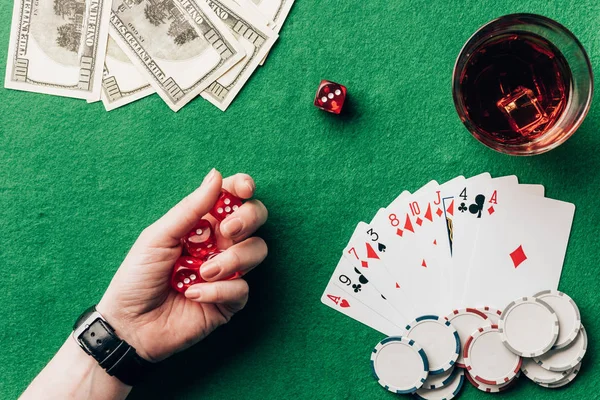
Furthermore, the illusion of control can distort perceptions of winning streaks. Gamblers might mistakenly believe they are on a “hot streak” when, in reality, they are merely experiencing the natural ebbs and flows of luck. By acknowledging the true nature of these outcomes, players can maintain a balanced perspective and make more informed decisions when engaging in gambling activities, ultimately leading to a more rewarding experience.
Luck vs. Skill: Finding the Balance
The ongoing debate surrounding luck and skill in gambling highlights the varying degrees to which each influences different games. For example, poker is a game that requires a high level of skill and strategy, where understanding opponents’ behaviors can lead to significant advantages. However, even in poker, the player’s success ultimately relies on the cards dealt—a variable completely outside their control. This delicate balance underscores the complex interplay between skill and luck in determining casino outcomes.
Conversely, games like slot machines are predominantly luck-driven. No matter how adept a player may be at understanding the mechanics or following strategies, the results remain random and unpredictable. This aspect can elicit feelings of both excitement and frustration; while the allure of potential jackpots draws players in, the realization that skill has little influence on outcomes can lead to disappointment. Recognizing this balance is crucial for enhancing the gaming experience by aligning expectations with the game’s inherent nature.
Ultimately, successful gamblers manage to strike a harmonious balance between skill and luck. They develop strategies informed by their understanding of various games while remaining aware that luck will influence outcomes at times. This balanced approach allows players to relish the thrill of gambling while minimizing the emotional highs and lows that can accompany an overreliance on either luck or skill alone.
The Psychology of Luck in Gambling
The fascinating psychology of luck plays a significant role in shaping players’ behaviors and decision-making processes. Many individuals perceive their successes as the product of a series of fortunate streaks, often attributing victories to their intuition or clever strategies. This belief can create a powerful psychological feedback loop, where winning reinforces their conviction of control over luck. However, it is crucial to recognize the transient nature of these wins and the fundamental role that chance plays in them.

Risk perception is another key component of gambling psychology. Players typically assess their odds based on personal experiences rather than relying on statistical probabilities. This misjudgment can lead to skewed decision-making, where individuals may underestimate the risks associated with their gambling activities. Being aware of how psychological biases influence perceptions of luck can empower players to make more rational choices, ultimately enhancing their enjoyment of gaming and promoting safer practices.
Understanding the psychology of luck also paves the way for responsible gambling behaviors. By acknowledging that luck governs outcomes, players can set realistic expectations, fostering a healthier attitude towards their gambling activities. Recognizing the ephemeral nature of wins and the inevitability of losses allows players to engage in gaming with a more balanced mindset, enriching their overall experiences and promoting enjoyment without the burden of unrealistic expectations.
Conclusion: Embracing Luck in the Casino Experience
In conclusion, luck is an essential element of the casino experience, impacting outcomes in ways that can both thrill and frustrate players. This balance between skill and chance is what shapes the excitement of gambling and serves as a driving force behind the allure of casinos. While players may strive to refine their strategies and enhance their skills, they must ultimately learn to embrace the unpredictability that luck brings.
By cultivating accountability and a proper understanding of luck’s role in gambling outcomes, players can significantly improve their approach to gaming activities. Shifting the focus from attempting to control every outcome to appreciating the randomness involved can foster a healthier relationship with the games they love. This change in perspective not only leads to better decision-making but can also enhance the enjoyment of the overall gaming experience.
As you explore the vibrant world of casinos, remember that luck can be both a friend and a foe. Relish the excitement of the game, savor moments of victory, and learn from losses while embracing the chance that makes every gamble a unique experience. Understanding these dynamics will enrich your casino journey, allowing you to appreciate the role of chance while engaging responsibly and enjoyably with games of luck.